

AIS Navigation system: what is it and why is it needed?
Content
What is AIS?
Imagine that the entire ocean is a huge intersection with hundreds of thousands of vehicles. How do ships avoid collisions and find each other in this chaos? Answer — automatic AIS identification system.
AIS is not just a technology, it is a language that ships use to communicate. It transmits data about the location, speed, course, and even the name of the ship. Thanks to this, captains can see” invisible " ships even in fog or over the horizon.
The idea is simple: imagine a car navigation system that not only shows your road, but also " talks” to other cars, warning you about traffic jams, accidents, or route changes.
What can AIS do?
The automatic identification system AIS is a multi-functional tool. That's what makes it irreplaceable:
- Location detection: Ships are displayed on electronic maps, which helps avoid collisions.
- Identification: The system reports the name of the vessel, its size, type and route.
- Data exchange: From weather alerts to rescue alerts, AIS is always in touch.
- Traffic control: Ports and coastguards use AIS to track all vessels in their area of responsibility.
These features make navigation not only safer, but also more predictable.
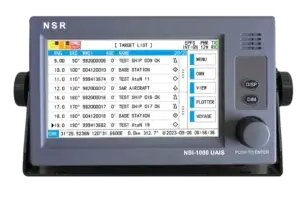
AIS classes: for whom and why?
Not all vessels are equally equipped, so AIS is divided into two classes:
- Class A:
- For large vessels, such as cargo or passenger liners.
- Transmits more data and does it faster.
- Required for vessels with a displacement of more than 300 tons.
- Class B:
- Suitable for yachts, fishing boats and other small vessels.
- Transmits less data, but still provides basic security.
- Installation is optional, but useful.
This separation helps optimize the load on the AIS network without overloading it with data.

AIS in emergency situations
In critical moments, AIS becomes a lifeline. There are devices specifically designed for emergencies:
- AIS-SART: sends a distress signal to search for a ship.
- AIS MOB: lets you know if someone has fallen overboard and helps you find the person.
- AIS-EPIRB: transmits coordinates of a ship or person in the event of an accident.
These technologies have saved thousands of lives, allowing us to quickly respond to emergencies at sea.
Why is AIS so important?
The automatic AIS identification system is a key element of modern shipping. Thanks to this system, sea traffic becomes safer, and interaction between ships and coastal services is more efficient. Whether you're operating a huge liner or a small yacht, AIS helps each vessel navigate and avoid hazards.
EPIRB
The EPIRB (Emergency Position-Indicating Radio Beacon) is a vital device designed to transmit a distress signal along with precise location coordinates. Essential for both maritime and aviation safety, EPIRBs ensure rapid assistance in emergency situations. Equipped with an AIS system, these beacons send location data directly to rescue services. Certified EPIRBs are available for purchase with delivery across Russia, ensuring timely support in case of an emergency.
AIS navigation systems
AIS navigation systems — this category includes transponders and AIS receivers classes A and B. These devices enable efficient automatic vessel identification and data exchange to improve the safety and accuracy of navigation.